Living in God's Image: An Ethiopian Orthodox Perspective
Introduction
The Bible teaches that humans are made in the image of God (Genesis 1:26-27). But what does that really mean? Does it mean we look like God? Does it mean we are perfect? And how does this idea affect how we live today?
In the Ethiopian Orthodox Tewahedo Church (EOTC), being made in God’s image is more than just an idea—it shapes how we understand ourselves, how we treat others, and how we grow in faith. It means that every person has great value, purpose, and a calling to become more like God.
Let’s explore what this means in our lives today.
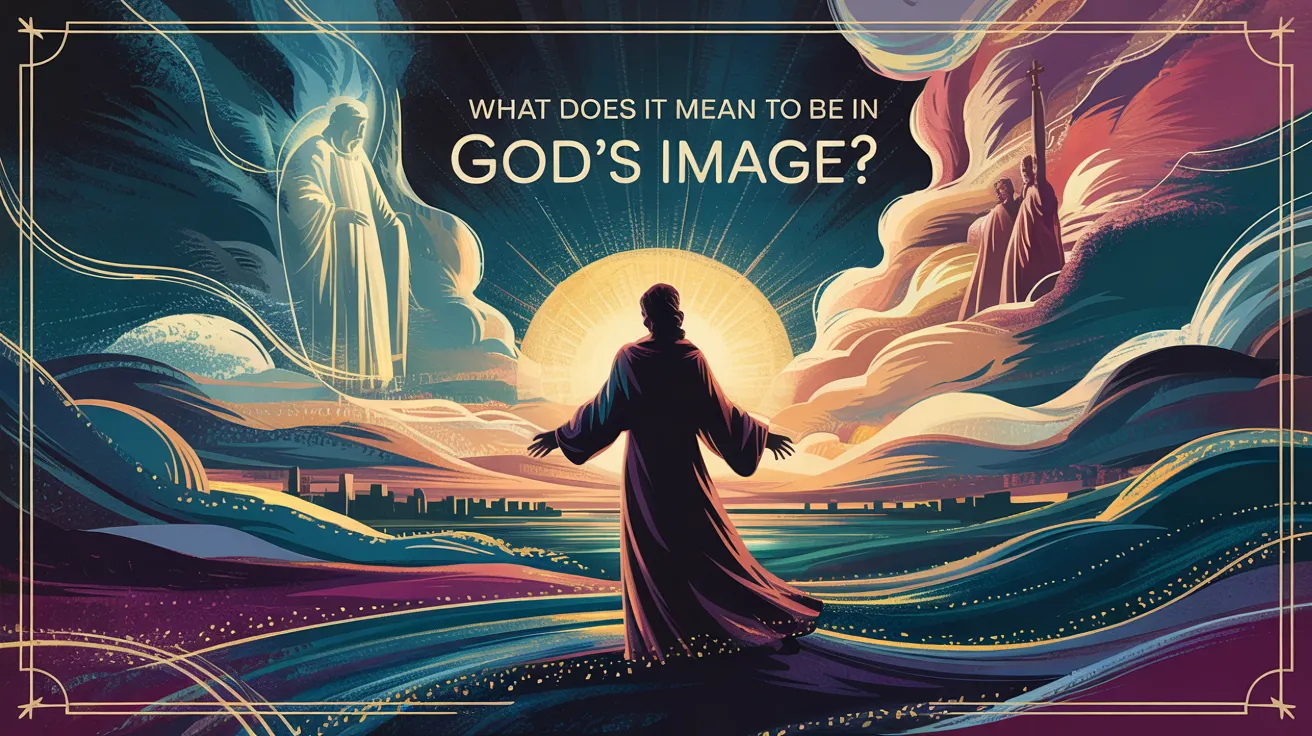
1. What Does It Mean to Be in God’s Image?
The Ethiopian Orthodox Church teaches that when God made humans, He gave them something special that no other creatures have: a soul that reflects His divine nature.
✅ We are made in His image : This means that we have reason, free will, and a spiritual nature.
✅ We are called to become like Him : This means that through faith, prayer, and obedience, we can grow to be more like God.
📖 Church Fathers like St. Basil the Great explain that God's image is a gift, but His likeness is something we must grow into. Just like a child grows to resemble their parents, we are meant to grow to reflect God’s holiness, love, and wisdom.
🔹 Ethiopian Orthodox Teaching:
The Book of Enoch, which is part of the Ethiopian Bible, describes how the first humans were created with glory and wisdom, but after sin entered the world, they lost some of that holiness. This is why Christ came—to restore the lost image and bring us back to God.
2. Jesus Christ: The Perfect Image of God
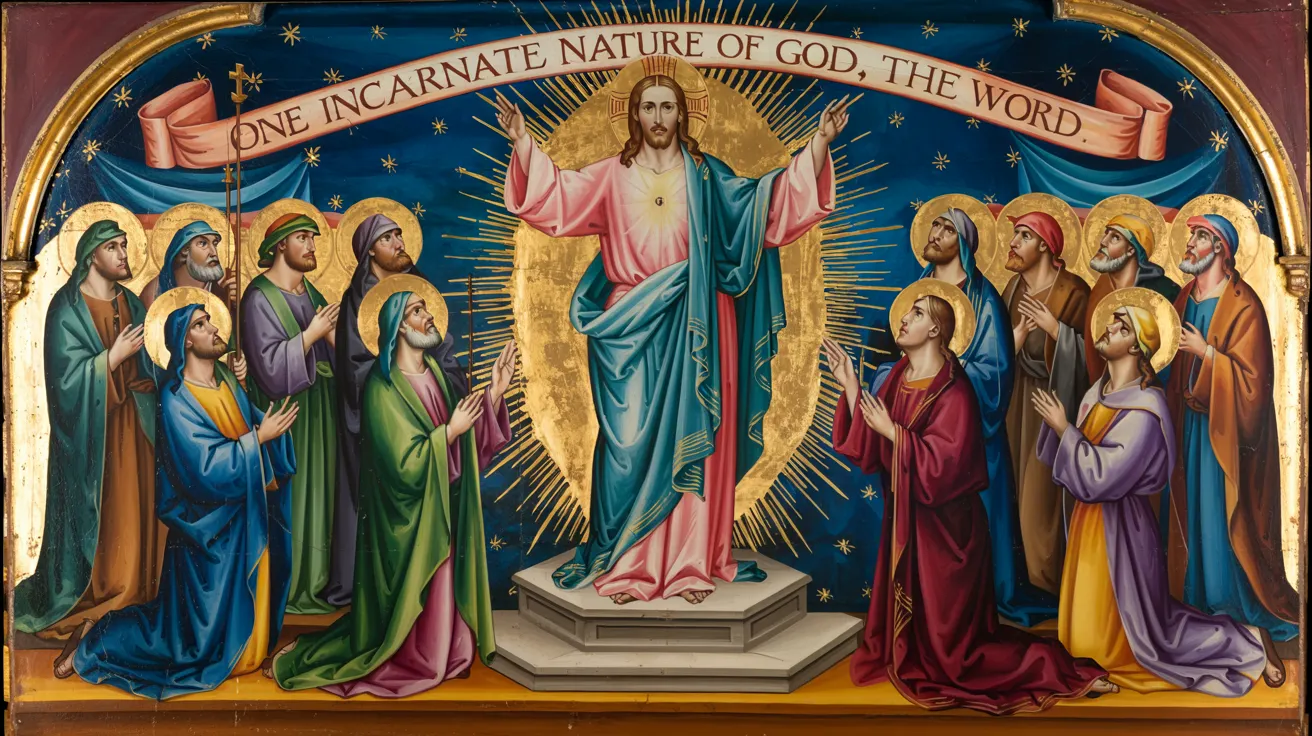
The Bible calls Jesus Christ "the image of the invisible God" (Colossians 1:15). This means that if we want to know what it truly means to be in God’s image, we must look at Christ.
✅ Jesus showed perfect love, obedience, and holiness—this is what it means to be fully in God’s image.
✅ Through His death and resurrection, Jesus restores the image of God in us, making us children of God (Welde Egziabher).
📖 St. Athanasius, a great Orthodox teacher, said:
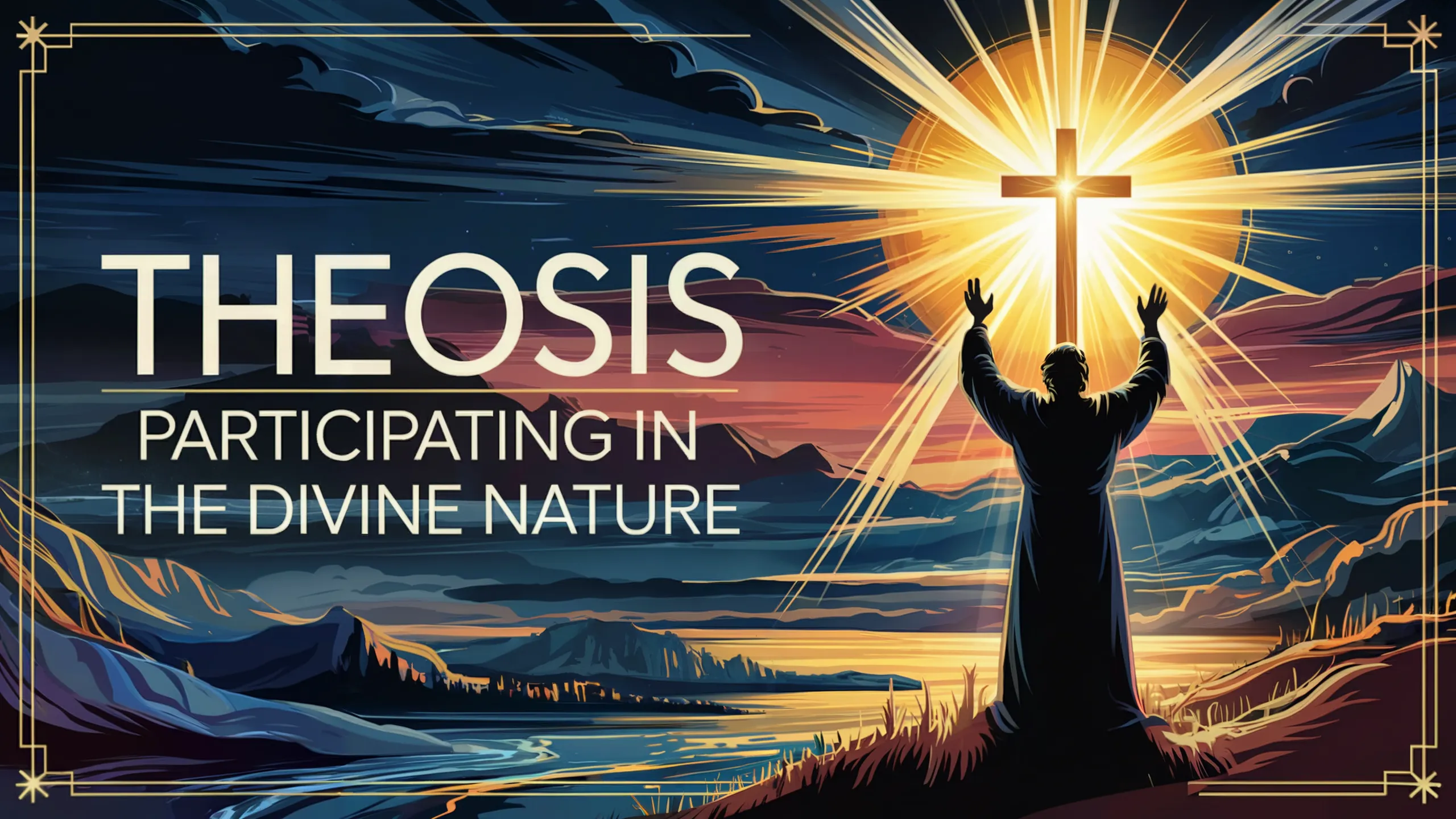
"God became man so that man might become god." (On the Incarnation)
This does not mean we become equal to God, but that we are transformed by His grace to be more like Him.
🔹 Ethiopian Orthodox Teaching:
The Virgin Mary (Kidist Dingel Mariam) plays a special role in restoring the image of God. She is called "the Second Eve" because through her, Christ was born and made a way for us to regain our holiness.
3. How Should We Treat Others? The Image of God in Every Person
If all people are made in God’s image, this means:
✅ Every person has great value—no matter their age, race, or background.
✅ We must love and respect others, even those we disagree with.
✅ Caring for the poor, sick, and suffering is part of honoring God’s image.
📖 Jesus teaches:
"Whatever you did for one of the least of these, you did for me." (Matthew 25:40)
🔹 Ethiopian Orthodox Teaching:
The EOTC teaches that our faith is not just about personal salvation—it is about helping others. The Church has a long history of caring for the poor through Senbetie (Sunday community meals) and other acts of charity.
4. How Can We Grow in God’s Image?
The Ethiopian Orthodox Church teaches that to fully reflect God's image, we must strive for holiness through prayer, fasting, and worship.
A. Prayer and Worship
✅ Daily prayer helps us stay connected to God.
✅ Attending church regularly strengthens our faith.
✅ Singing hymns from the Deggwa (Ethiopian Orthodox hymnbook) helps us focus on God.
📖 A hymn from the Deggwa says:
"O Lord, may Your divine light shine upon us, so that we may be transformed into Your likeness."
B. Fasting and Self-Control
✅ Fasting (Tsome) helps us overcome sin and grow spiritually.
✅ The EOTC has many fasting periods, including the 55-day Great Fast (Tsome Hudade).
📖 Jesus said:
"When you fast, do not look gloomy like the hypocrites." (Matthew 6:16)
C. Living a Holy Life
✅ Reading the Bible and following its teachings.
✅ Avoiding sinful behavior that damages the image of God in us.
5. The Role of Free Will: Choosing to Follow God
God gave humans free will, meaning we can choose to do good or evil. But free will is not just about doing whatever we want—it is about choosing to follow God.
📖 St. Basil the Great teaches:
"God has given us free will, but we must use it to seek Him."
🔹 Ethiopian Orthodox Teaching:
The EOTC teaches that prayer and fasting help us control our desires and make better choices. This is why monks, like St. Tekle Haymanot, dedicated their lives to prayer and discipline, showing us the highest way to reflect God's image.
6. The Digital Age: Remembering Our True Identity
In today's world, many people base their worth on social media, success, or popularity. But the Ethiopian Orthodox Church teaches that our true identity comes from God, not from likes or followers.
A. The Dangers of Technology
❌ Too much time online can make us forget God.
❌ Social media can create false images of who we are.
B. How to Stay Focused on God
✅ Use technology wisely—watch Orthodox sermons and read spiritual books.
✅ Take breaks from screens—spend time in prayer and nature.
📖 Jesus teaches:
"Do not store up for yourselves treasures on earth, but store up treasures in heaven." (Matthew 6:19-20)
7. Restoring the Image of God in a Broken World
Even though sin has damaged the image of God in us, Jesus Christ came to restore it. The Ethiopian Orthodox Church teaches that we are healed and transformed through the Sacraments:
✅ Baptism—We are cleansed and made new in Christ.
✅ Eucharist (Holy Communion)—We receive the Body and Blood of Christ, drawing us closer to Him.
✅ Confession—We repent of our sins and seek forgiveness.
📖 St. Athanasius says:
"That which He has not assumed, He has not healed."
This means that because Jesus became fully human, He was able to heal our human nature and restore God’s image in us.
8. Conclusion: Living in God's Image Every Day
Being made in God’s image is a gift and a responsibility. It affects how we see ourselves, how we treat others, and how we live our lives.
To live in God’s image, we must:
✅ Pray and worship daily.
✅ Treat others with kindness and respect.
✅ Seek holiness through fasting and self-discipline.
✅ Make good choices with our free will.
✅ Remember that our worth comes from God, not the world.
📖 Final Prayer from the Se’atat (Book of Hours):
"O Lord, renew Your image within us, and lead us in the path of righteousness."
Through Jesus Christ, we are called to reflect God's love, holiness, and wisdom—now and forever. Amen!