Unveiling Genesis: God’s Covenant in Ethiopian Orthodox Tradition
The Book of Genesis, the first in the Bible, serves as the foundation of God's divine narrative and His relationship with humanity. In the Ethiopian Orthodox Tewahedo Church (EOTC), Genesis is not studied in isolation but alongside the Book of Jubilees and the Book of Enoch, which provide additional insights into God's creation, angelic beings, and covenantal promises. The EOTC follows the ancient Christian tradition of interpreting Genesis through the lens of patristic wisdom, the Church's liturgical life, and the broader biblical canon.
Genesis: The Book of Beginnings in Ethiopian Theology
Genesis is referred to as the "Book of Beginnings" because it introduces:
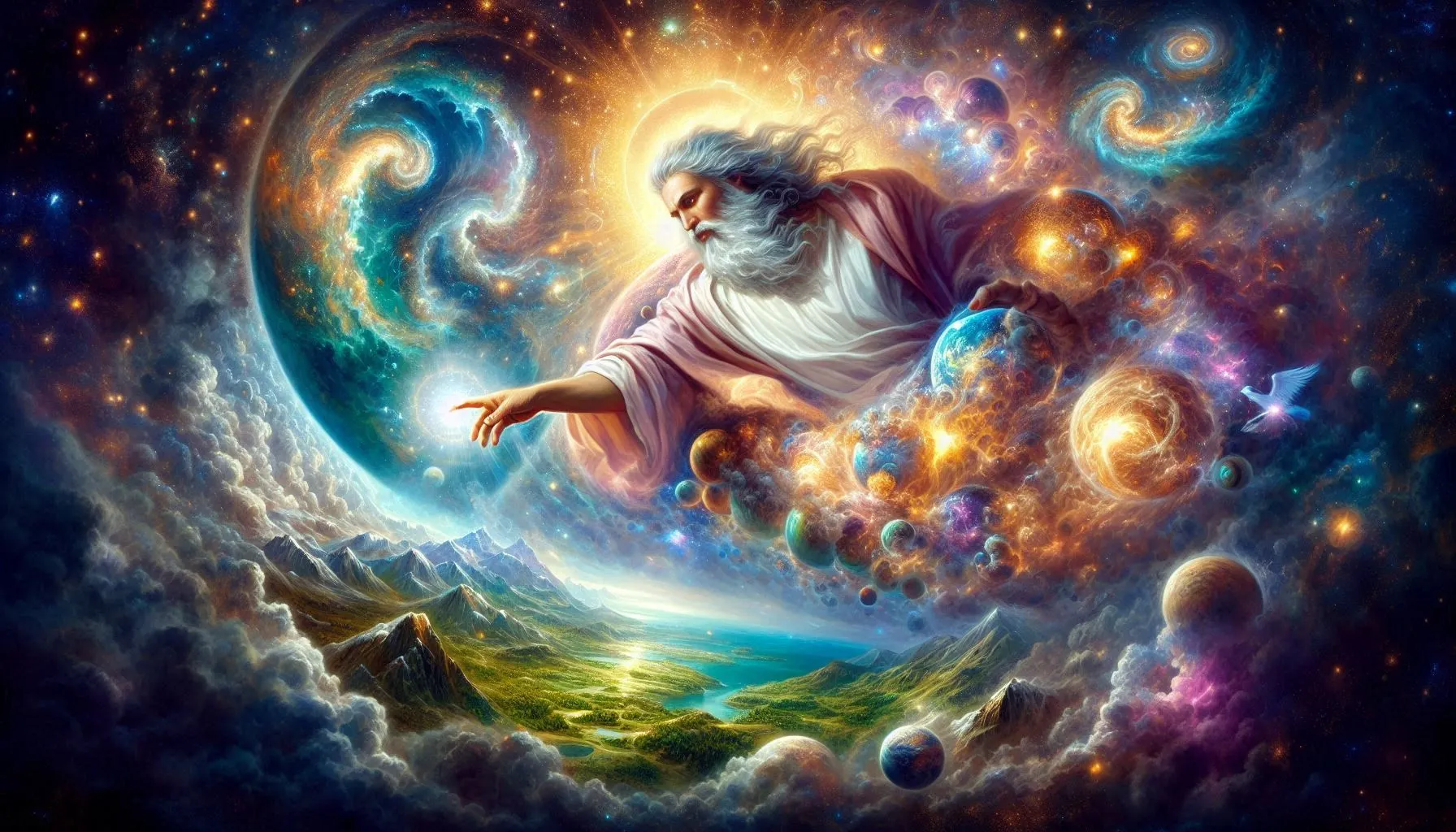
- The Creation of the Universe – God creates the heavens and the earth with divine order, establishing a sacred hierarchy in creation.
- The Creation of Humanity – Adam and Eve, made in the image and likeness of God, are given a divine role as stewards of creation.
- The Genesis Covenant – God's initial promises to humanity and the righteous patriarchs, leading to the fulfillment of the New Covenant in Christ.
Ethiopian Orthodox tradition emphasizes that Genesis is not merely a historical record but a theological revelation, rich in prophetic symbols and divine mysteries.
The Genesis Creation Story: A Divine Order
The Genesis creation account reveals God's supreme authority over all things. Genesis 1:1 declares:
"In the beginning, God created the heavens and the earth."
Unlike pagan myths, which depict chaos and conflict among gods, the Ethiopian Orthodox interpretation of Genesis affirms that God's creation is orderly and intentional. The Book of Enoch expands on this, revealing the role of angelic beings in God's divine governance and explaining the origins of spiritual warfare.
The Six Days of Creation and Divine Order
The EOTC upholds a literal six-day creation while also acknowledging its deep theological meaning. Each day represents both a chronological event and a divine principle:
- Day 1: Light is created, symbolizing Christ as the Light of the world.
- Day 2: The firmament is established, reflecting the separation of the heavenly and earthly realms.
- Day 3: Land and vegetation appear, foreshadowing the promised land and the spiritual growth of the faithful.
- Day 4: The sun, moon, and stars are set in the heavens, prefiguring the Incarnation of Christ as the "Sun of Righteousness."
- Day 5: Living creatures are created in the seas and sky, mirroring the spiritual renewal of baptism.
- Day 6: Humanity is created in the image of God, pointing to the ultimate image of God—the Incarnate Christ.
- Day 7: God rests, sanctifying the Sabbath, which is fulfilled in the eternal rest found in Christ.
The Ethiopian Orthodox Church teaches that creation reflects the wisdom of God, and humanity is called to live in harmony with divine order.
Adam and Eve: The Fall and the Promise of Redemption
Adam and Eve’s creation and their fall in Genesis 3 are central to Ethiopian Orthodox theology. God commanded them not to eat from the tree of knowledge as a test of obedience. Their failure introduced sin and death into the world, but God immediately gave a prophecy of redemption:
"And I will put enmity between you and the woman, and between your offspring and hers; he will crush your head, and you will strike his heel." (Genesis 3:15)
This verse is known as the Protoevangelium (the first Gospel), foretelling the victory of Christ over Satan. The EOTC strongly connects this prophecy to the Virgin Mary, who, as the "New Eve," brought forth Christ, the Redeemer.
The Ancestral Curse and Christ’s Victory
The Ethiopian Orthodox Church teaches that Adam’s sin caused humanity to inherit corruption and mortality. However, Christ’s Incarnation, Crucifixion, and Resurrection reversed this ancestral curse. Ethiopian Orthodox hymns frequently refer to Christ as the "Second Adam," whose obedience restores humanity to divine life.
Primeval History: Humanity’s Early Struggles
Genesis 1–11 contains key stories that shape Ethiopian Orthodox theology:
- The Flood and Noah’s Ark – Noah’s Ark is understood as a foreshadowing of the Church. Just as the Ark saved Noah and his family, the Church is the vessel of salvation for all who enter it.
- The Tower of Babel – The prideful attempt to reach heaven without God resulted in the division of languages. This is reversed at Pentecost when the Holy Spirit unites people in the Church.
- The Corruption of the Earth – The Book of Enoch elaborates on Genesis 6, explaining that fallen angels (the Watchers) corrupted humanity, leading to the Great Flood. This teaching is unique to Ethiopian Orthodox tradition.
The Genesis Covenant: A Promise to the Righteous
The theme of covenant is central to Genesis and is especially significant in Ethiopian Orthodox theology. The Genesis covenant is first seen in Noah, then in Abraham:
- God’s Covenant with Noah – Marked by the rainbow, symbolizing God’s mercy.
- God’s Covenant with Abraham – A promise of land, descendants, and blessing to all nations.
The Foreshadowing of Christ in Abraham
The EOTC sees the covenant with Abraham as a prophecy of Christ. Abraham’s willingness to sacrifice Isaac on Mount Moriah prefigures God the Father’s sacrifice of Christ on the Cross. Ethiopian Orthodox liturgy often references this act as a profound mystery of faith.
The Patriarchal Narratives: God’s Providence in History
Genesis 12–50 recounts the lives of Abraham, Isaac, Jacob, and Joseph, emphasizing God’s sovereign plan. The Ethiopian Orthodox Church finds deep spiritual lessons in these stories:
- Abraham’s Faith – His obedience is a model for Christian discipleship.
- Jacob’s Transformation – His journey from deceit to faith represents the path of repentance.
- Joseph’s Trials and Redemption – Joseph, betrayed and later exalted, is a type of Christ, who was rejected yet glorified.
A key figure in EOTC tradition is Melchizedek, the priest-king of Salem, who blesses Abraham. The Church sees him as a type of Christ’s eternal priesthood (Hebrews 7:1-3).
Genesis and Salvation: The Need for Redemption
Genesis is deeply connected to the Ethiopian Orthodox understanding of salvation. The fall of humanity, the covenants with the patriarchs, and the foreshadowing of Christ all point to God’s ultimate plan: redemption through Jesus Christ.
- The Tree of Life in Eden prefigures the Cross.
- Noah’s Ark symbolizes the Church.
- The Sacrifices of the Patriarchs foreshadow Christ’s sacrifice.
- The Blessing of Abraham finds fulfillment in Christ.
In the Ethiopian Orthodox tradition, Genesis is not merely a book of the past but a living testimony to God's eternal plan.
Faith Lessons and Liturgical Significance
Genesis is deeply woven into Ethiopian Orthodox liturgy and worship. During the Divine Liturgy (Kidase), hymns reference Genesis creation, the fall, and Christ as the New Adam. The Book of Enoch and Jubilees provide additional insights into early biblical history and are frequently read alongside Genesis in the Church.
Key Lessons:
- Trust in God’s Promises – As Abraham trusted in God's covenant, so should believers.
- Repentance and Redemption – Like Jacob and Joseph, transformation comes through suffering and faith.
- The Coming of Christ – Genesis points to the fulfillment of God's promises in Jesus.
Conclusion: Genesis as a Living Theology
Genesis is not just a historical record but a divine revelation. Through the Ethiopian Orthodox tradition, its meaning is enriched by liturgical worship, patristic commentary, and the wider biblical canon. By studying Genesis, believers uncover the depth of God's covenant, His mercy, and the hope of salvation through Christ.
May we walk in the faith of Abraham, the righteousness of Noah, and the wisdom of Joseph, trusting in the eternal plan of God.