Theosis in Ethiopian Orthodox Tewahedo Theology: Union with God
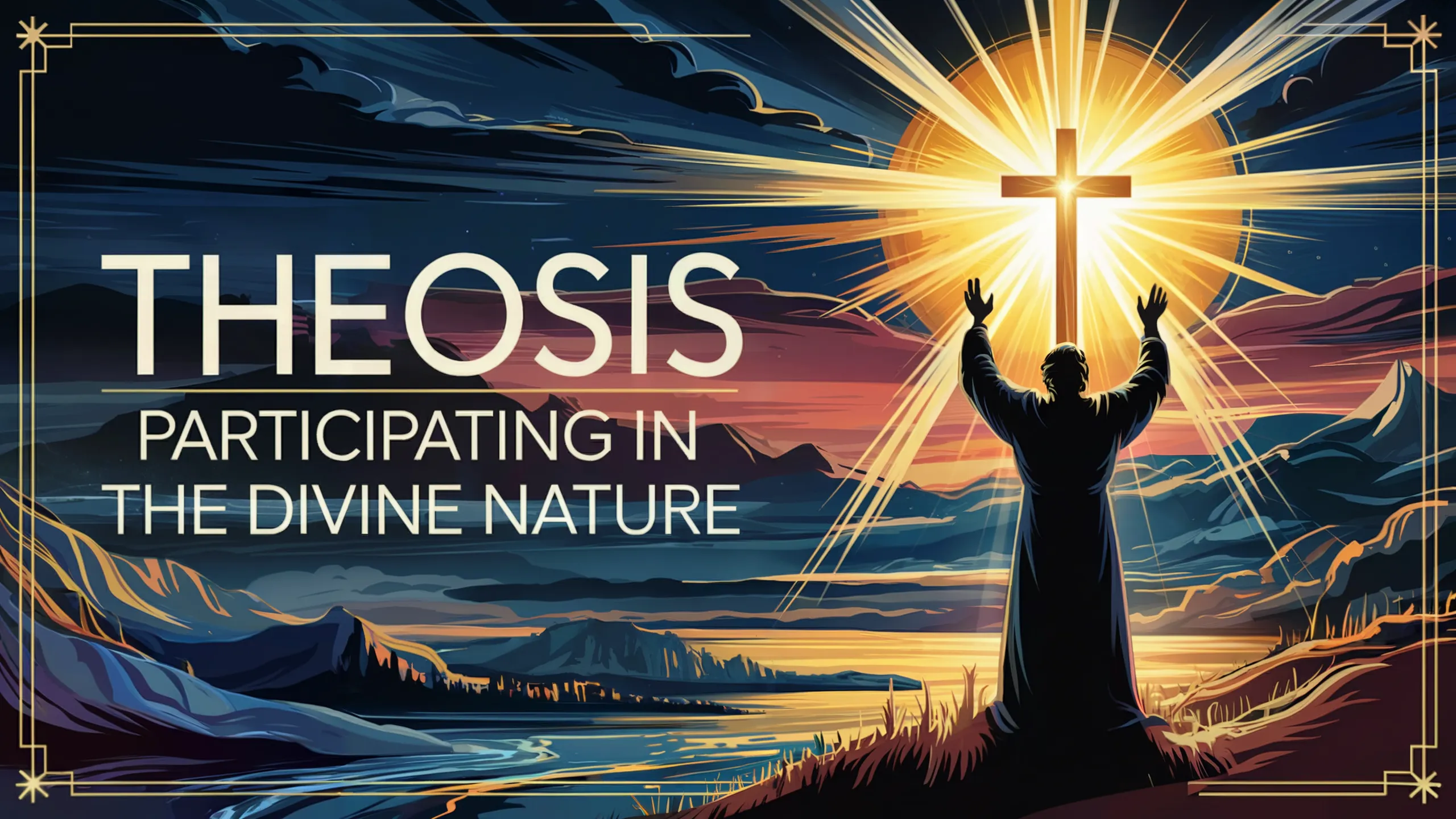
In Ethiopian Orthodox Tewahedo theology, theosis—or union with God—is the central purpose of Christian life. It is the process by which believers are restored to their original state, participating in God’s divine life through grace. Theosis is not merely about moral improvement but about spiritual transformation, where human beings become “Weleda Egziabher” (Children of God) by grace, while remaining distinct from God in essence.
This concept is deeply woven into the liturgy, ascetic tradition, and mystical theology of the Ethiopian Orthodox Church. Unlike Western views of salvation, which often focus on legal justification, Ethiopian Orthodox theology emphasizes healing, restoration, and divine participation—a return to the “first glory” lost through Adam’s sin.
As St. Athanasius stated:
"God became man so that man might become god."
This does not mean that human beings become divine by nature, but that they are transformed by divine grace, entering into mystical union with God.
1. The Biblical Foundations of Theosis
Although the term "theosis" is not explicitly found in Scripture, the concept is clearly present.
A. Partaking in the Divine Nature
The Apostle Peter declares:
"He has given us His very great and precious promises, so that through them you may become partakers of the divine nature." (2 Peter 1:4)
This verse establishes the foundation of theosis: salvation is not just about escaping sin, but about becoming one with God’s divine life.
B. The Incarnation as the Path to Theosis
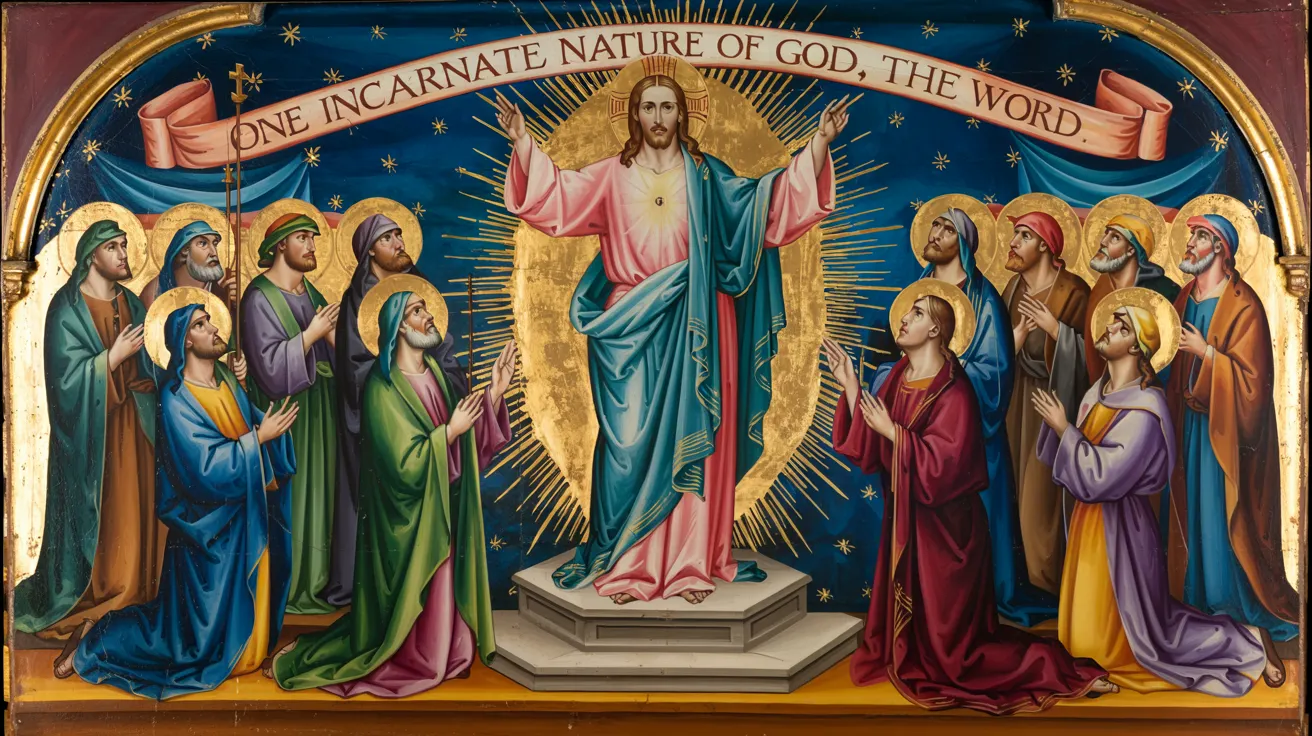
The Incarnation of Christ is the ultimate expression of God’s desire to unite with humanity.
“The Word became flesh and dwelt among us” (John 1:14).
Ethiopian Orthodox theology teaches that Christ took on fallen human nature in order to heal it, sanctify it, and restore it to its original divine potential.
This theme is emphasized in the liturgical hymns of St. Yared, which declare:
“The Word of God, who was incomprehensible, became man, so that man may know Him and be restored to his first glory.”
2. Theosis and Christ’s Transfiguration (Debre Tabor)
One of the clearest revelations of theosis in Ethiopian Orthodox tradition is the Transfiguration of Christ on Mount Tabor (Debre Tabor).
“His face shone like the sun, and His garments became white as light.” (Matthew 17:2)
The Ethiopian Orthodox Church teaches that:
✅ The Transfiguration reveals humanity’s potential to be filled with divine light.
✅ Just as Christ’s human body was glorified, so too can believers be transformed by divine grace.
Thus, theosis is not just a future hope—it is something experienced in this life through holiness, prayer, and divine communion.
3. Theosis in Ethiopian Orthodox Saints & Mysticism
Theosis is not just a theological idea—it is a living reality, demonstrated in the lives of Ethiopian Orthodox saints.
A. St. Tekle Haymanot: The Ascetic Path to Divine Union
- St. Tekle Haymanot, one of Ethiopia’s greatest saints, stood on one leg for years in deep prayer, showing that theosis requires extreme ascetic effort.
- His life demonstrates that detachment from the world leads to divine transformation.
B. St. Gebre Menfes Kidus: Restoring Harmony with Creation
- St. Gebre Menfes Kidus lived in the desert among wild animals, showing that theosis also means restoring the original harmony between humanity and creation.
- His mystical life reveals that those united with God reflect divine peace and authority.
C. Abba Giyorgis of Gascha: Theosis Through Liturgical Mysticism
- Abba Giyorgis was a great theologian who wrote mystical hymns about the soul’s ascent to God through prayer and fasting.
- His teachings emphasize that theosis happens through deep liturgical and sacramental participation.
4. The Role of St. Mary (Kidist Dingel) in Theosis
The Ethiopian Orthodox Church highly venerates the Virgin Mary (Kidist Dingel) as the greatest example of theosis.
She is called:
✅ “The Enclosed Garden of Divinity” – Because she carried the fullness of God within her.
✅ “The Ladder of Jacob” – Because through her, human nature was united with divinity.
The Ethiopian Orthodox Church teaches that, just as St. Mary was filled with divine grace, believers too can be transformed through obedience, purity, and prayer.
5. Theosis and the Sacramental Life
Theosis is not a mystical theory—it is experienced through the life of the Church.
A. Baptism and Chrismation: The Beginning of Theosis
- In Baptism, the believer is united with Christ’s death and resurrection (Romans 6:3-4).
- In Chrismation, the believer receives the Holy Spirit, which enables growth in divine life.
B. The Eucharist: The Ultimate Participation in Divine Life
- The Ethiopian Orthodox Kidase (Divine Liturgy) teaches that in the Eucharist, believers do not merely remember Christ, but actually partake of His divine nature.
- St. Ignatius of Antioch called the Eucharist:
“The medicine of immortality.”
C. The Role of the Church Calendar in Theosis
- The fasting and feasting cycle of the Ethiopian Orthodox Church is designed to lead believers into deeper divine participation.
- The fasts of the Church (Tsome Hudade, Tsome Filseta, Tsome Hawariat, etc. ) help purify the body and soul for divine communion.
6. Theosis and Ethiopian Mystical Theology
Theosis is deeply rooted in Ethiopian Orthodox mystical writings, particularly:
✅ The Book of Enoch – Teaches about divine mysteries and the transformation of the righteous.
✅ The Kebra Nagast – Describes how the Ark of the Covenant brings divine presence to Ethiopia.
✅ The Writings of Abba Giorgis of Gascha – Explain the soul’s ascent to God through prayer and fasting.
Ethiopian Orthodox theology also teaches that:
- Angels participate in the process of theosis—believers are surrounded by angelic hosts that guide them toward divine transformation.
- The Psalms (Dawit) are central to mystical prayer—the Ethiopian Orthodox Church emphasizes reciting the Psalms as a means of entering into divine presence.
7. Theosis and the Spiritual Life: Fasting, Prayer, and Asceticism
Theosis is not automatic—it requires active spiritual effort.
A. Fasting as a Means of Divine Participation
- The Ethiopian Orthodox Church observes more fasting days than any other Christian tradition.
- The 55-day Great Fast (Tsome Hudade) purifies the soul for divine communion.
B. The Jesus Prayer and the Ethiopian Tradition
- While Hesychasm is emphasized in Byzantine Orthodoxy, Ethiopian monks also practice inner stillness and continuous prayer.
- Instead of relying only on the Jesus Prayer, Ethiopian Orthodox spirituality emphasizes:
- ✅ The Psalms (Dawit) as meditative prayer
- ✅ The Ethiopian Divine Office (Se’atat) as structured mystical prayer
8. Conclusion: Theosis as the Goal of Christian Life
Theosis is the central goal of Ethiopian Orthodox Christianity. It is not just about following rules—it is about being transformed into the divine likeness through grace.
Through:
✅ The Sacraments (Baptism, Eucharist, Chrismation)
✅ The Church’s Liturgical Life (Prayer, Fasting, Worship)
✅ The Ascetic Struggle (Self-denial, Humility, Holiness)
…believers participate in the divine life, ultimately reaching full union with God in eternity.
As the Ethiopian Orthodox liturgical hymn declares:
“O Lord, may Your divine light shine upon us, so that we may be transformed into Your likeness.”