Raising Faithful Children: An Ethiopian Orthodox Approach to Education
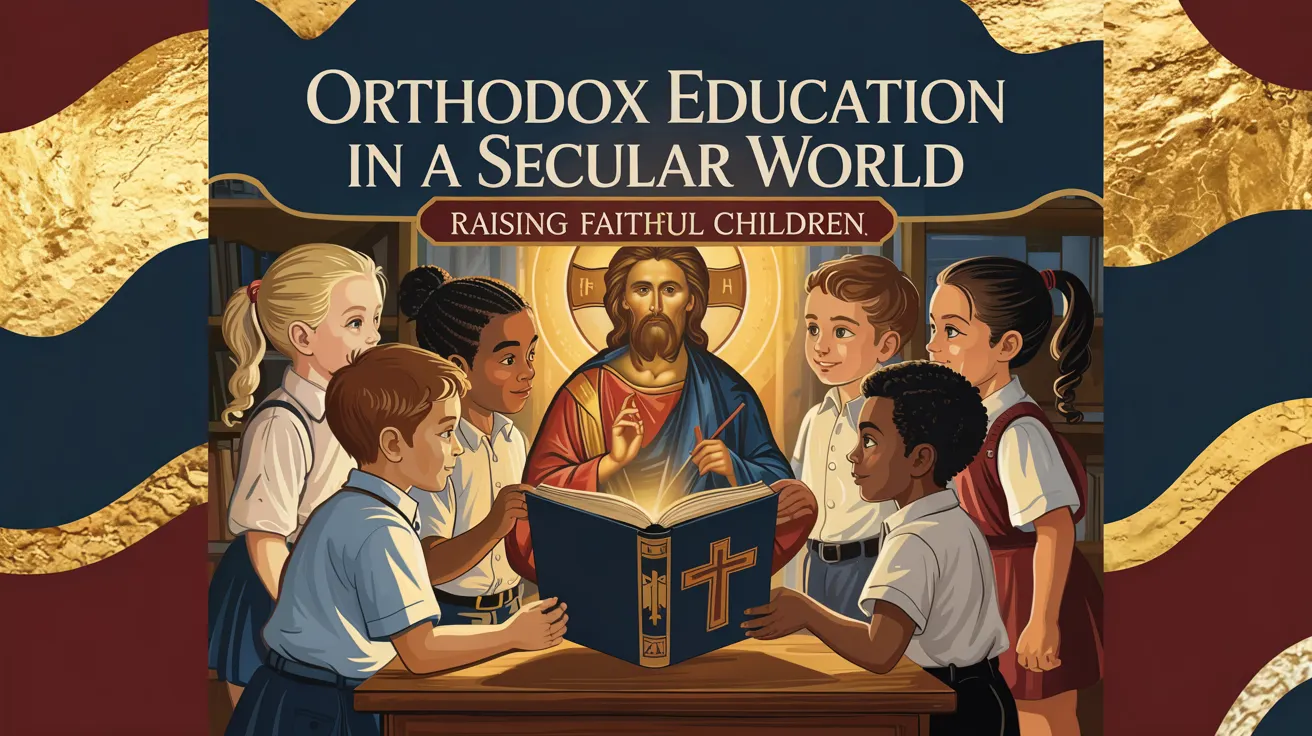
In today’s world, Orthodox parents and educators face the profound challenge of raising children in an environment that is increasingly secular. Instilling faith, morals, and Christian values has always been important, but with the pervasive influence of modern media, technology, and shifting societal norms, this task has become even more urgent.
For Ethiopian Orthodox Tewahedo Christians, education is not simply an academic pursuit—it is a spiritual formation that shapes the entire person: mind, body, and soul. True education must bring a child closer to God, integrating faith into every aspect of life. The Ethiopian Orthodox Church has always emphasized that knowledge is not merely for personal advancement but must lead to wisdom and righteousness.
As Christ Himself said:
"For what does it profit a man if he gains the whole world, and loses his own soul?" (Mark 8:36)
Thus, Orthodox education must not only prepare children for academic success but also ensure that their faith remains unshaken in the face of secular challenges. This can only be achieved through a strong foundation in the home, active participation in the Church’s spiritual life, and careful guidance in navigating the modern world.
The Home as the First Church: Building a Strong Spiritual Foundation
In Ethiopian Orthodox tradition, the family is the first school of faith. Parents are not just providers but also spiritual teachers, called to raise their children in the fear and love of God. As St. Yared, the great Ethiopian hymnographer, said:
"A child who grows without instruction is like a plant that grows without water."
A. Family Prayer & Worship
- A dedicated prayer corner with icons should be established in every home.
- Children should learn to recite essential prayers such as the Our Father (Abune Zebesemayat), Weddasie Mariam (Praises of St. Mary), and Psalm 51 (Have Mercy on Me, O God).
- The family should pray together daily, especially in the morning and before bed.
- The Psalms (Dawit) should be memorized, as is traditionally done in Ethiopian Orthodox education.
- Regular participation in Divine Liturgy (Kidase), confession, and Holy Communion should be emphasized.
B. Teaching the Church Calendar & Fasting
- Orthodox education must follow the Church’s rhythm, with children learning about fasting seasons (Tsome Hudade, Tsome Hawariat, and Tsome Filseta).
- Feast days should be observed with scripture readings, hymns, and discussions about the meaning of each celebration.
C. Parental Example: Teaching by Action, Not Just Words
Children learn more from what they see than what they are told. If parents:
✅ Pray, fast, and attend church regularly, children will follow.
✅ Speak kindly and forgive others, children will learn Christian virtues.
✅ Live humbly and resist materialism, children will value faith over wealth.
As St. Theophan the Recluse said:
"A tree is known by its fruit, and so too a Christian is known by his deeds."
The Ethiopian Orthodox Church: The Center of True Education
The Church has always been the heart of education in Ethiopian Orthodox tradition. Before modern schools existed, children were educated in the monasteries and churches under the guidance of priests and deacons. This tradition must be preserved.
A. The Role of Church Schools (Timhirt Bet)
- Children should attend Orthodox schools whenever possible to receive instruction in Ge’ez, Psalms, and Orthodox doctrine.
- If Orthodox schools are not available, parents must supplement secular education with strong Orthodox teaching at home.
B. The Importance of Learning Ge’ez
- The Ethiopian Orthodox Bible and Church hymns are in Ge’ez, making it essential for children to learn basic Ge’ez prayers and scripture.
- The Church teaches that Ge’ez is a sacred language, and those who learn it gain deeper understanding of the faith.
C. Monastic Education & Pilgrimages
- In Ethiopian tradition, many children receive religious training in monasteries, learning the faith directly from monks.
- Families should take children on pilgrimages to monasteries like Debre Libanos, Debre Damo, or Lalibela, where they can experience Orthodox spirituality deeply.
Navigating the Modern World: Using Technology with Wisdom
While technology can be useful, it is also a major source of secular influence, often promoting values that contradict Orthodox teachings. Parents must guide children carefully in their use of technology.
A. Recommended Orthodox Resources for Children
✅ Orthodox Apps with daily prayers and Bible readings.
✅ Children’s books & animated series on the lives of saints.
✅ Podcasts & online catechism lessons from Ethiopian Orthodox scholars.
B. Setting Boundaries on Secular Media
❌ Television, movies, and social media often promote materialism, vanity, and
sinful lifestyles.
✅ Parents should monitor what their children watch and set clear limits.
✅ Encourage real-world engagement—attending Church, helping the poor, and spending time in prayer.
Teaching Children to Defend Their Faith
As children grow, they will face challenges to their beliefs in school, from friends, or online. Parents and educators must prepare them with strong Orthodox answers to common questions:
A. Faith & Science: Are They Opposed?
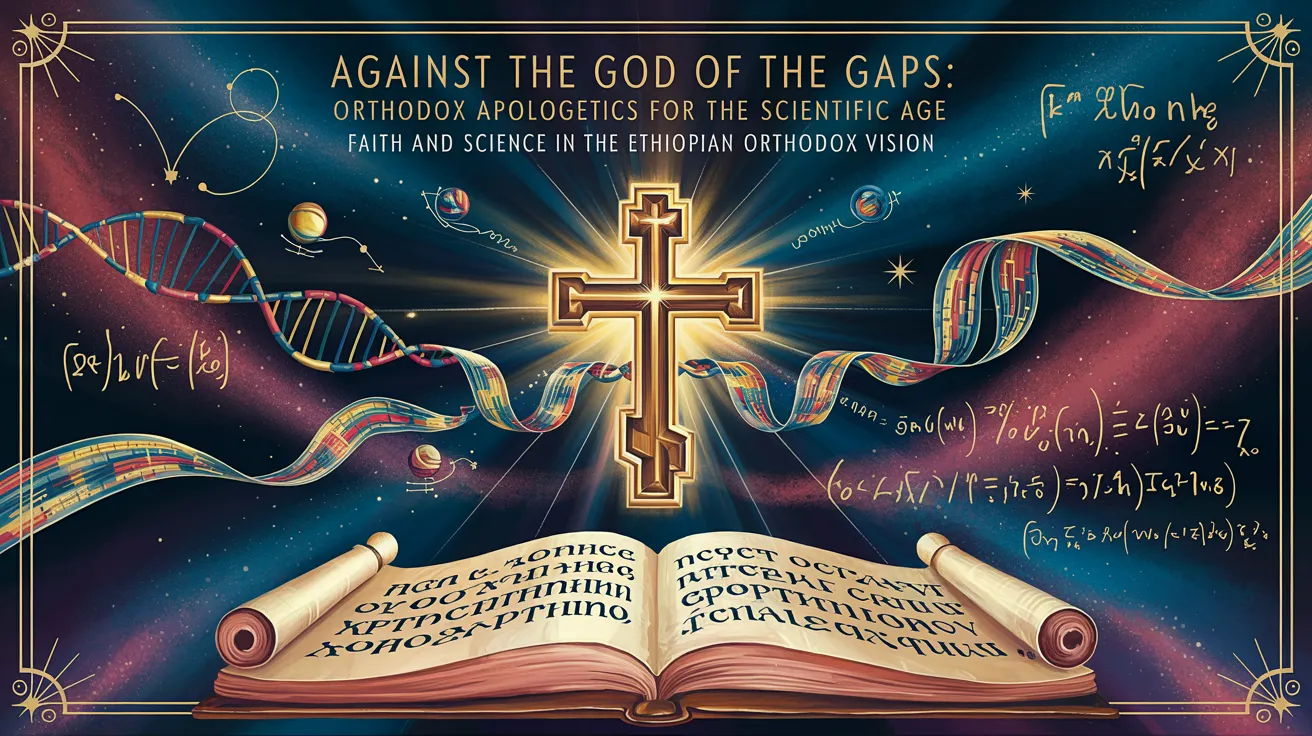
- Orthodox Christianity affirms both faith and reason. Many Ethiopian saints, such as Abba Giorgis of Gascha, were theologians who also studied astronomy and medicine.
- Genesis and modern science are not enemies—faith reveals why the world was created, and science explains how it works.
B. Why Believe in God?
- The lives of saints provide powerful evidence of God’s presence.
- Miracles and fulfilled prophecies in the Ethiopian Orthodox tradition show God’s hand in history.
C. Moral Issues & Cultural Pressures
- Orthodox morality is unchanging because it is based on God’s eternal truth, not shifting cultural trends.
- Children must be taught to stand firm in their faith even when it is unpopular.
Raising Holy Children: Preparing Them for Theosis
The ultimate goal of Orthodox education is not just knowledge—but theosis (union with God). Raising faithful children is not just about protecting them from the world but preparing them to transform it.
✅ Teach children to practice humility, patience, and charity.
✅ Help them recognize and resist secular temptations.
✅ Surround them with Orthodox role models, both in the saints and in faithful
Orthodox communities.
As St. Seraphim of Sarov said:
"Acquire the Spirit of Peace, and thousands around you will be saved."
By fostering holiness and love for Christ, Orthodox parents and educators can raise children who stand firm in their faith while witnessing to the world.
Conclusion: A Lifelong Journey of Faith
Orthodox education in a secular world is a lifelong journey. Parents and educators are not only preparing children for today’s challenges but laying a foundation for their eternal salvation.
By combining:
✅ Traditional Orthodox practices (prayer, fasting, sacraments)
✅ A strong home life as the domestic church
✅ Engagement in Orthodox schools, monasteries, and the liturgical life
✅ Wise use of modern educational tools
…we ensure that children grow not only knowledgeable about their faith but deeply committed to living it.
May God grant all Orthodox parents, teachers, and clergy wisdom and strength as they raise the next generation of faithful Christians!